

Here are buildings and items mentioned in the Tapteal Ward Podcast on the history of the church in the Tri-Cities. You can click on any image to enlarge.
There is a rough transcript at the end of this too.
I’ll also post corrections here so you can come back often
Corrections:
- The first branch president of the White Bluffs Branch is listed as John Hyer but, also mentioned as John Hyler. I believe John Hyer is correct
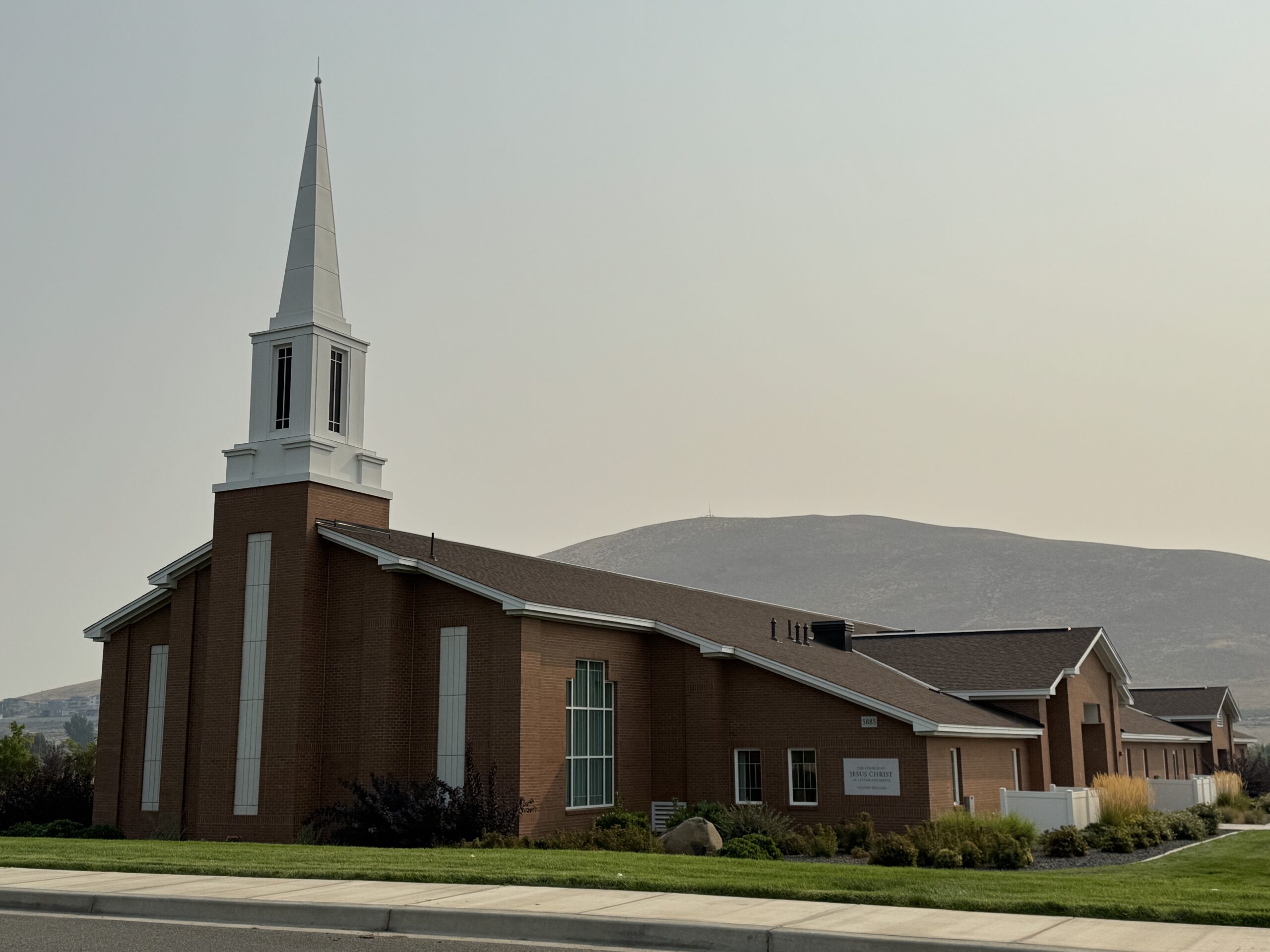
Holly Way West Richland Stake Center
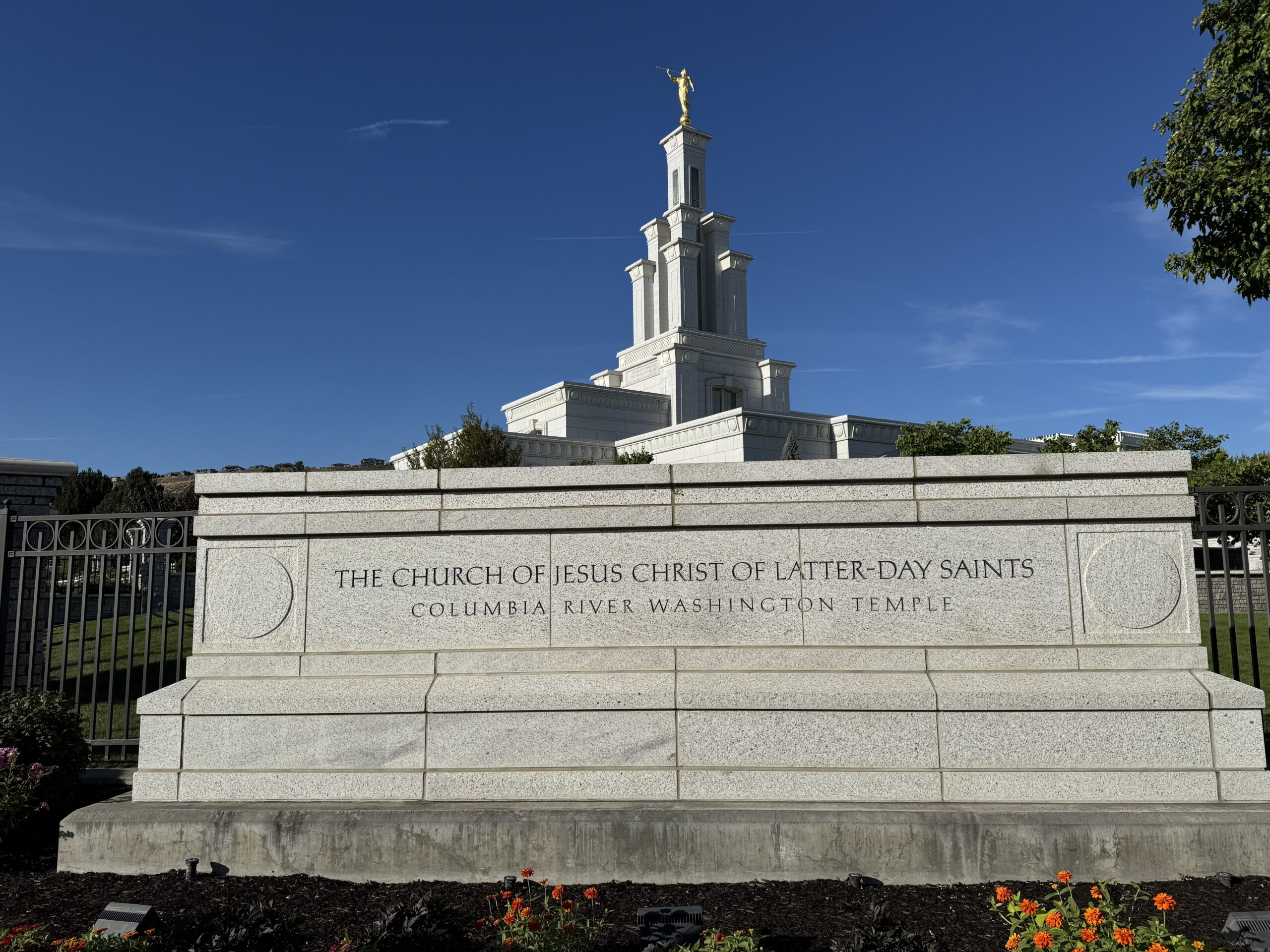
Columbia River Washington Temple
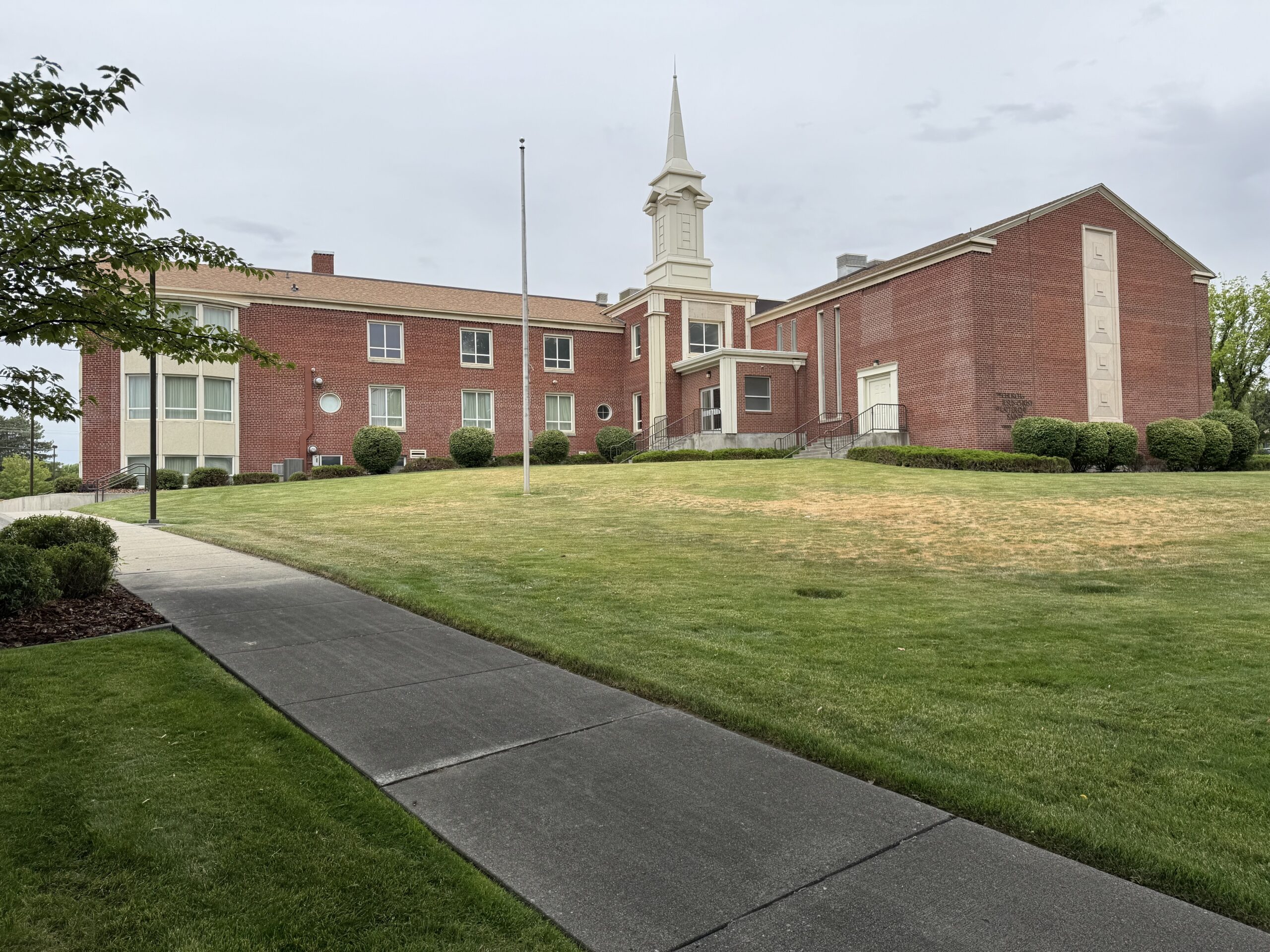
Jadwin LDS Chapel
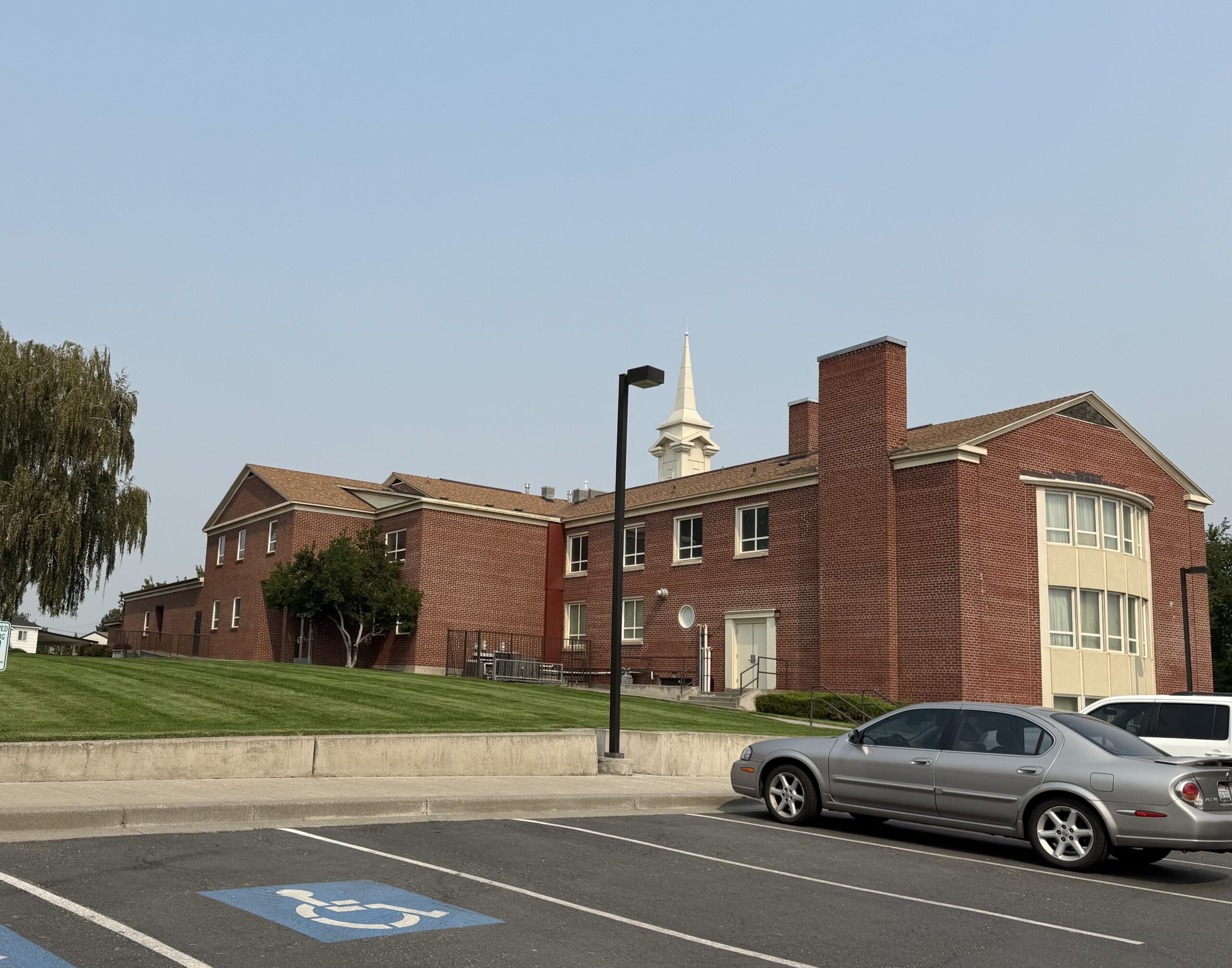
Jadwin LDS Chapel from the back
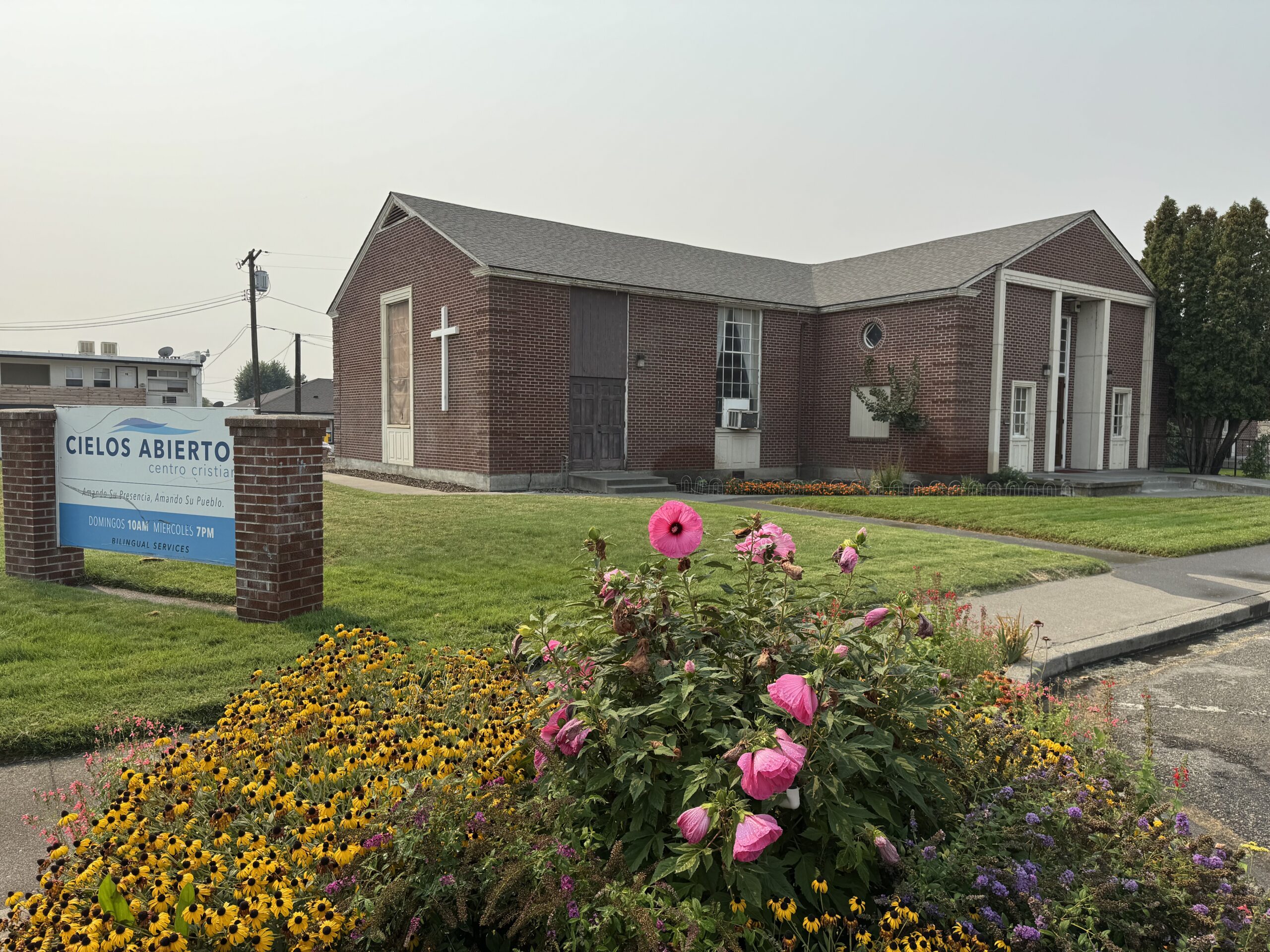
Old Pasco LDS Chapel and 10th and Yakima
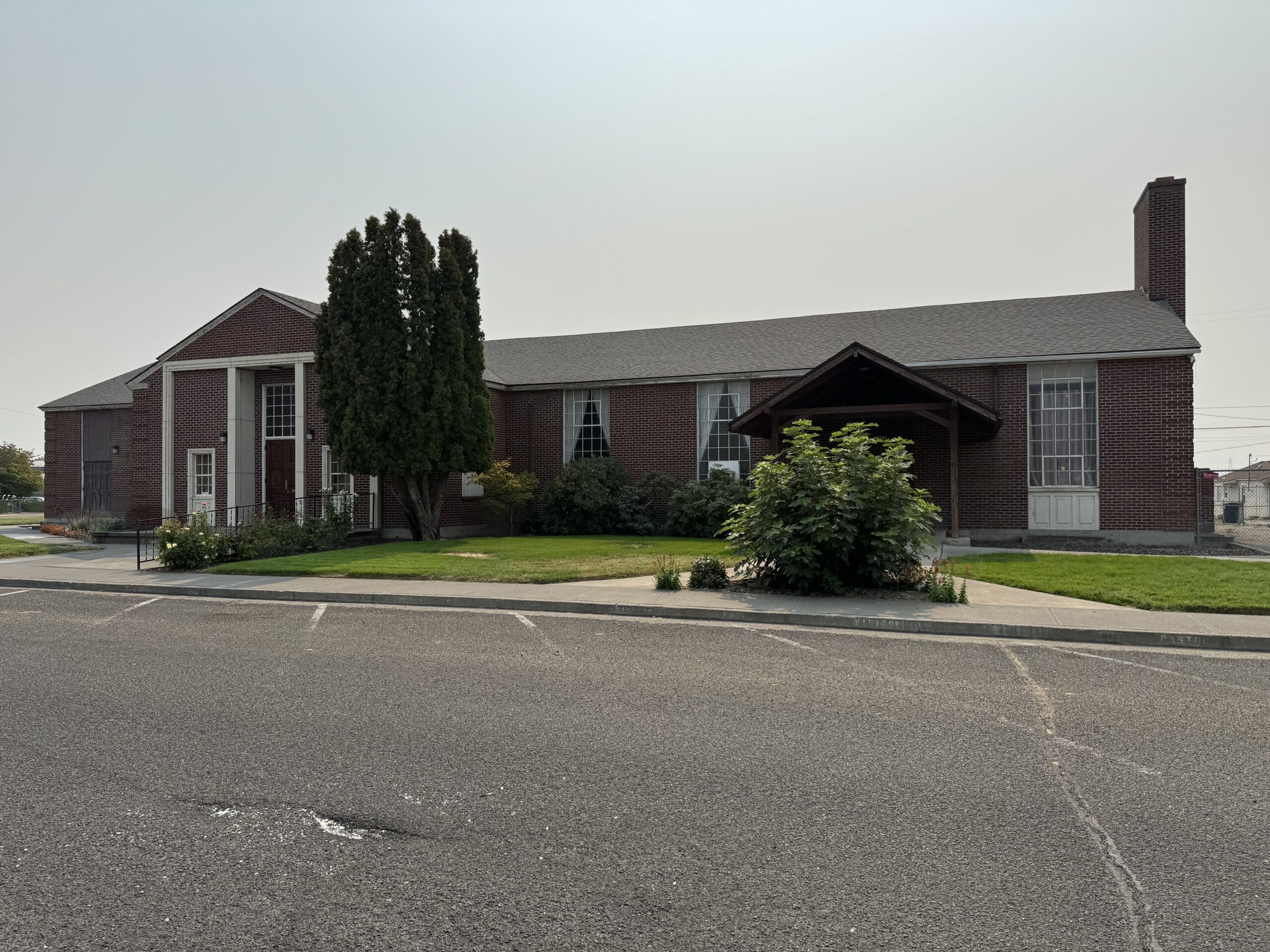
Old Pasco LDS Chapel at 10th and Yakima
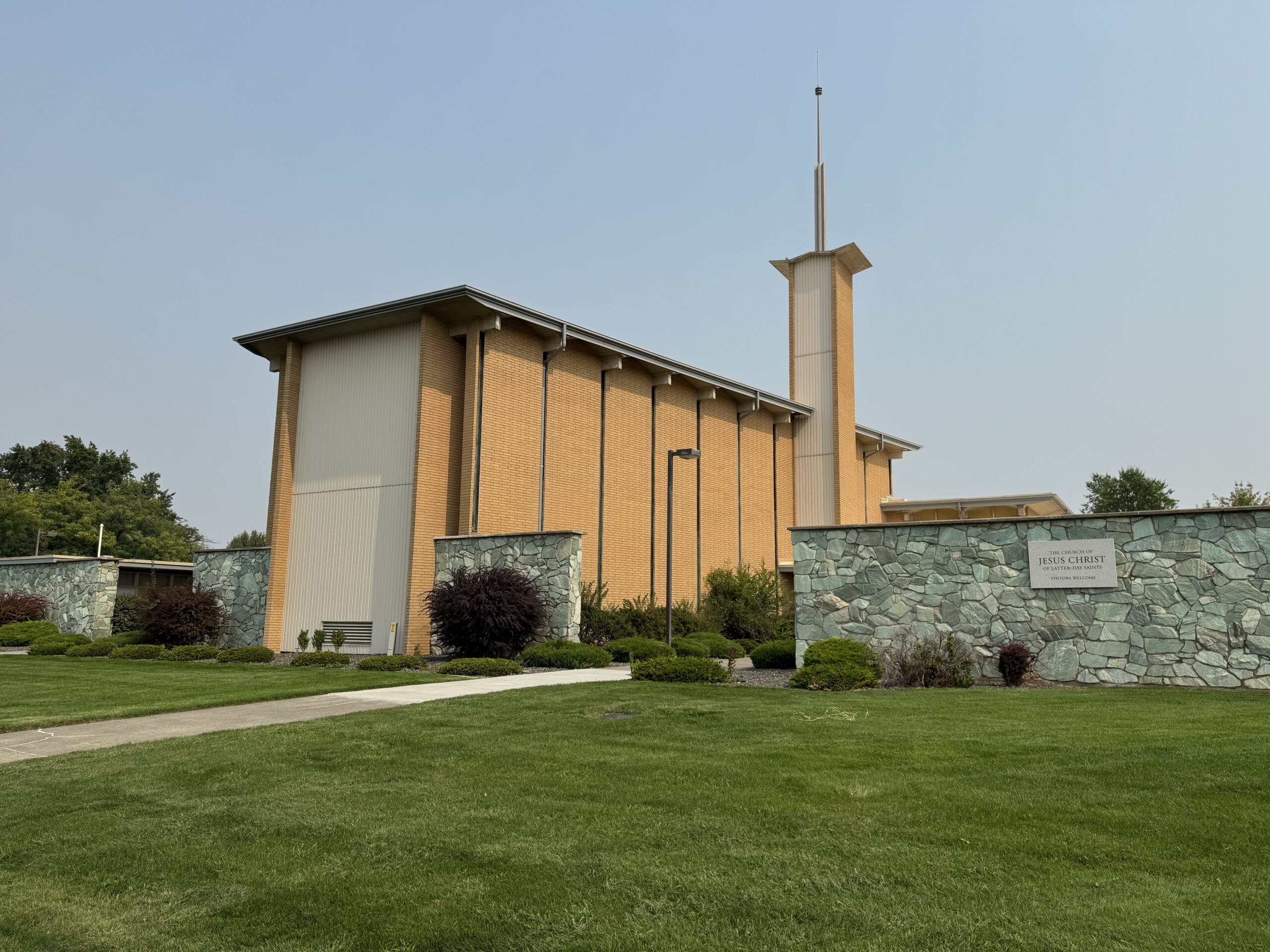
Richland Stake Center on Thayer
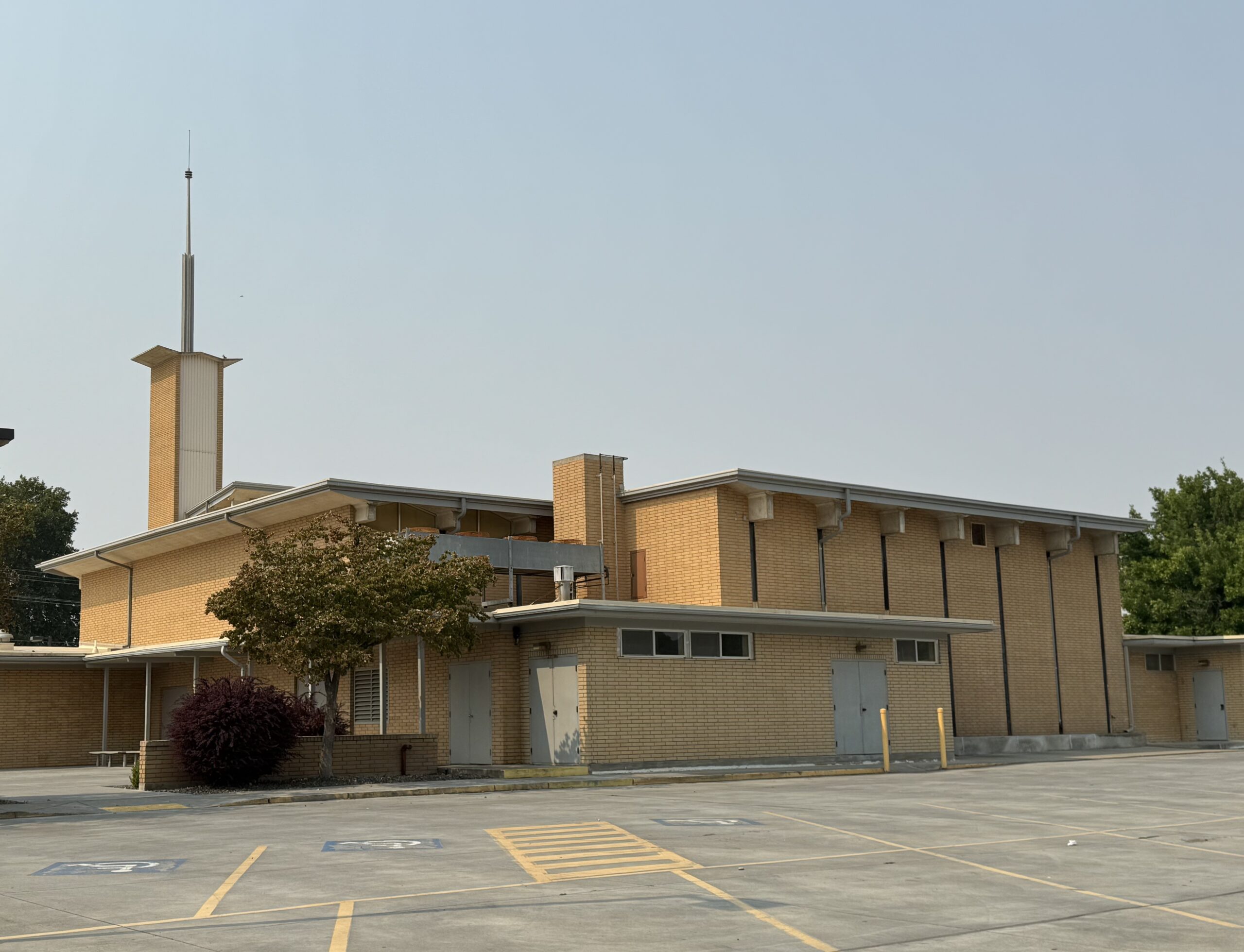
Richland Stake Center on Thayer
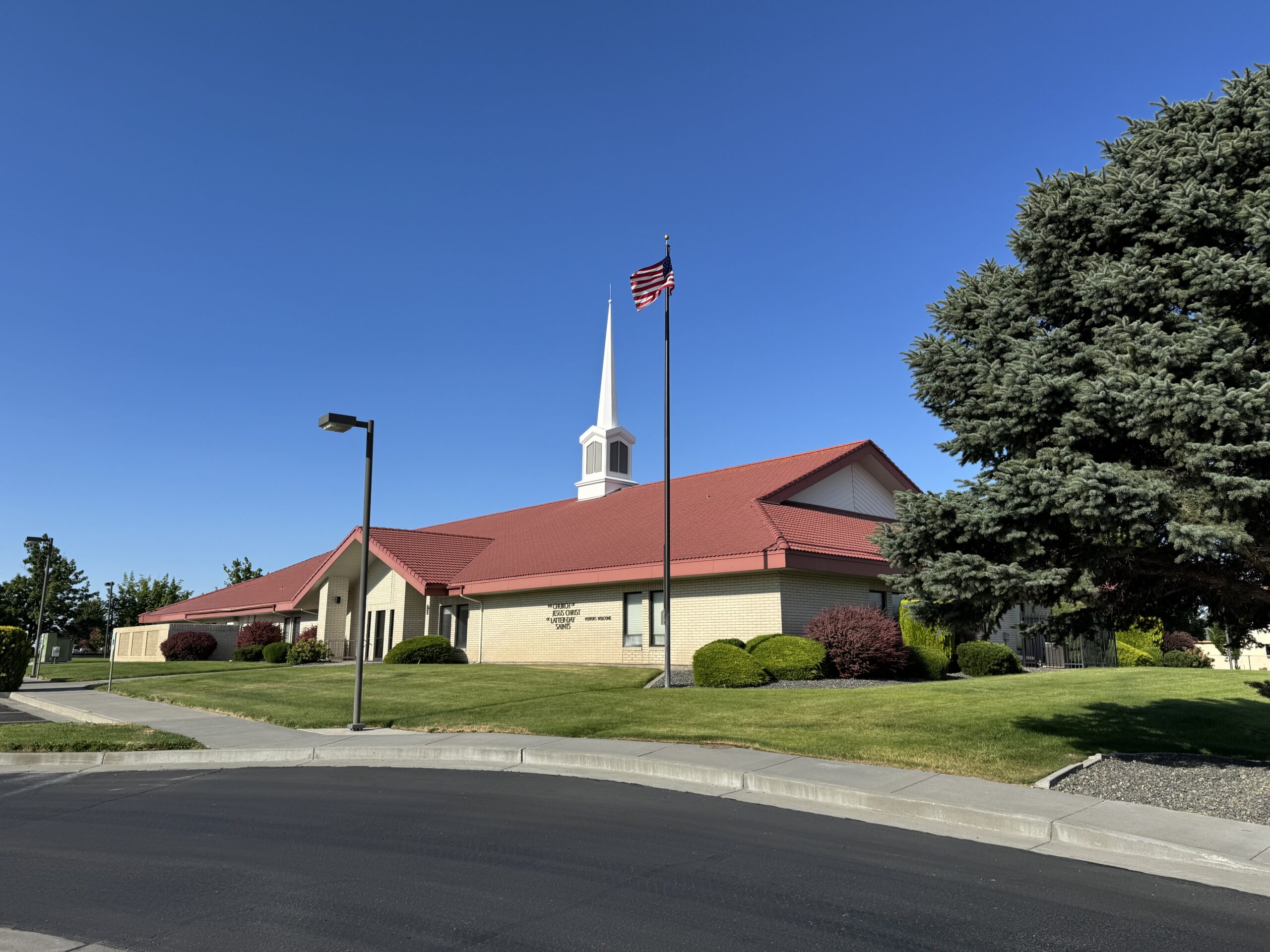
Paradise LDS Chapel, West Richland on Maple Lane
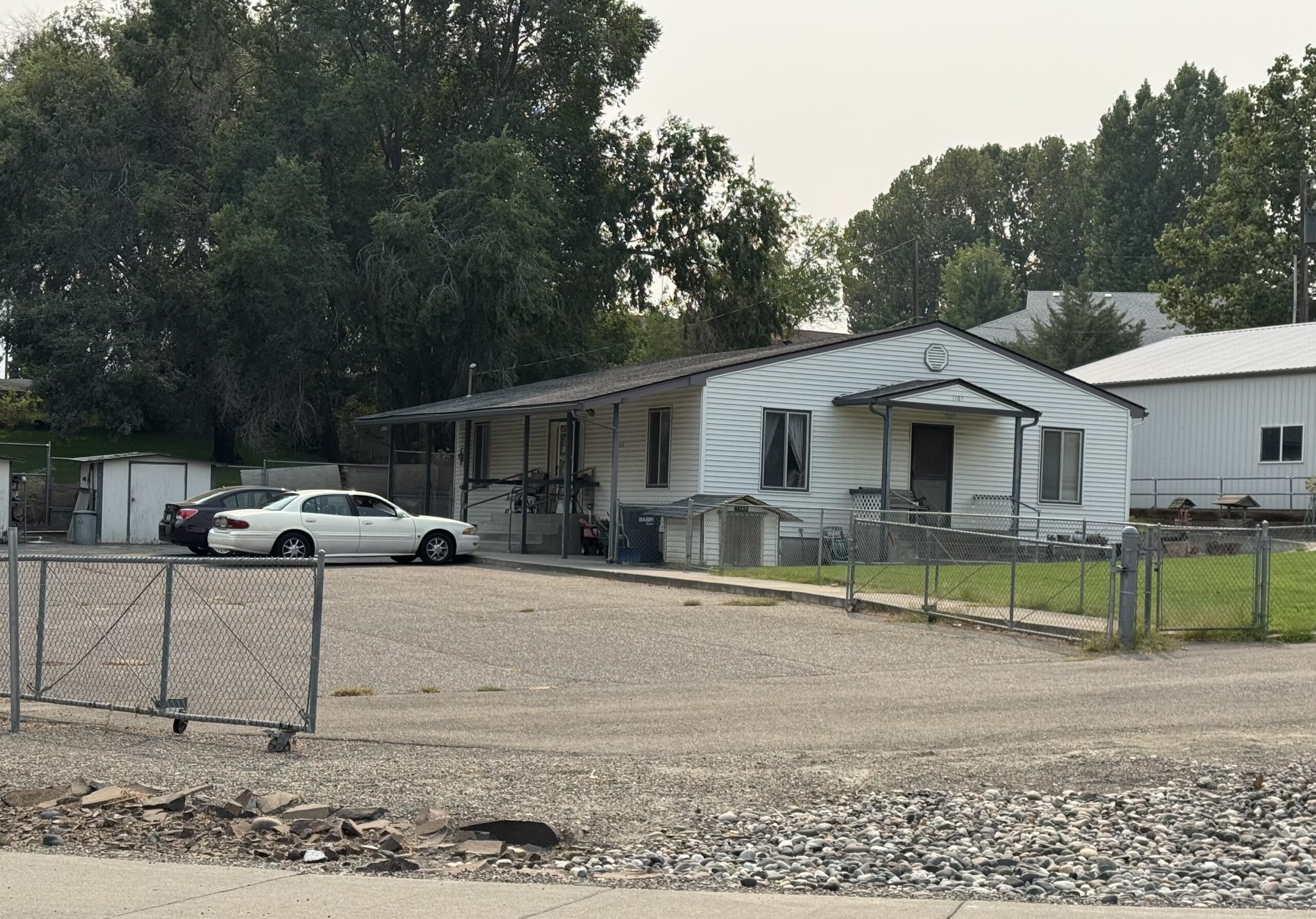
Old Hanford building used by Benton City Branch
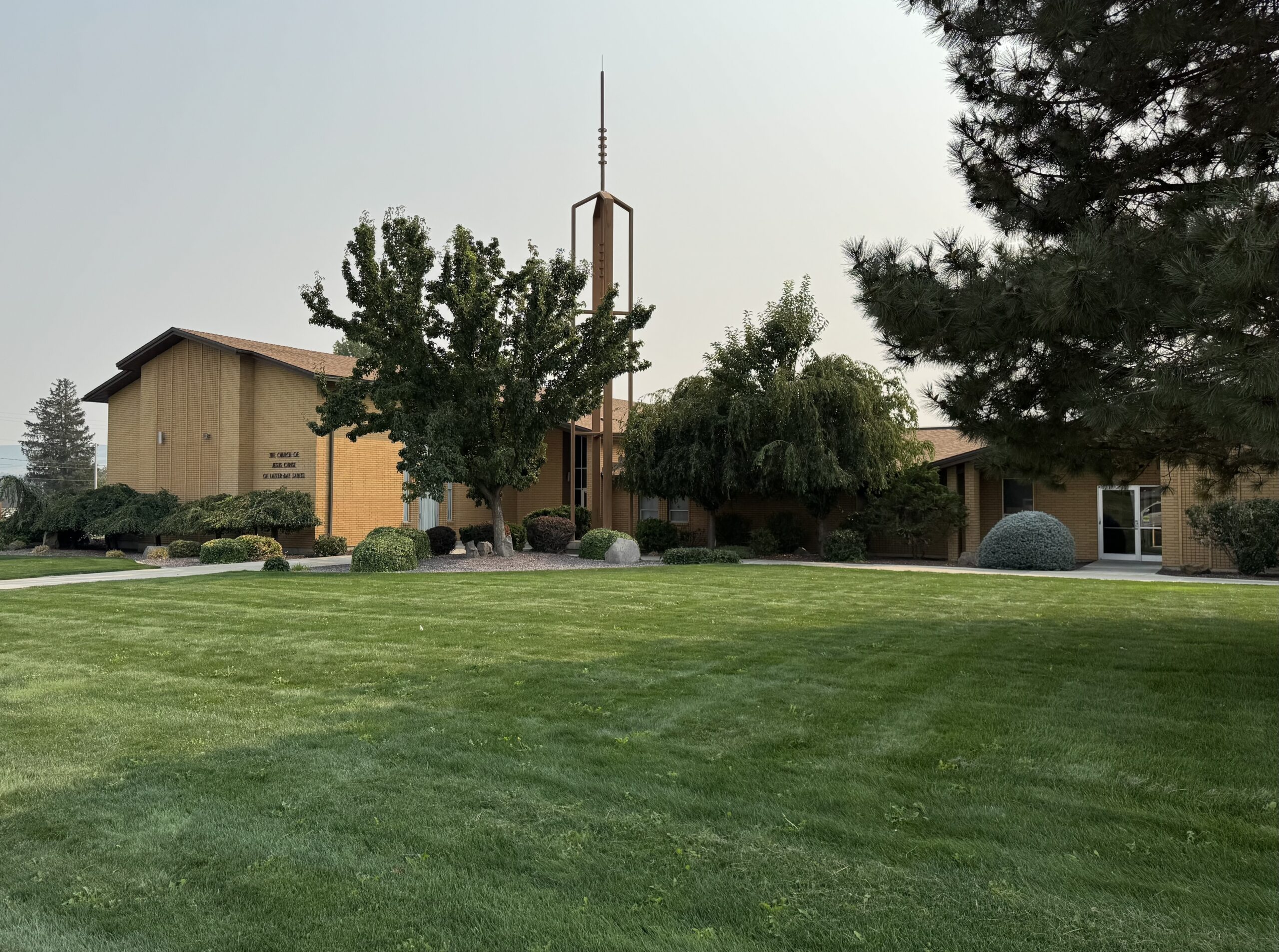
Benton City LDS Chapel on Fay Avenue
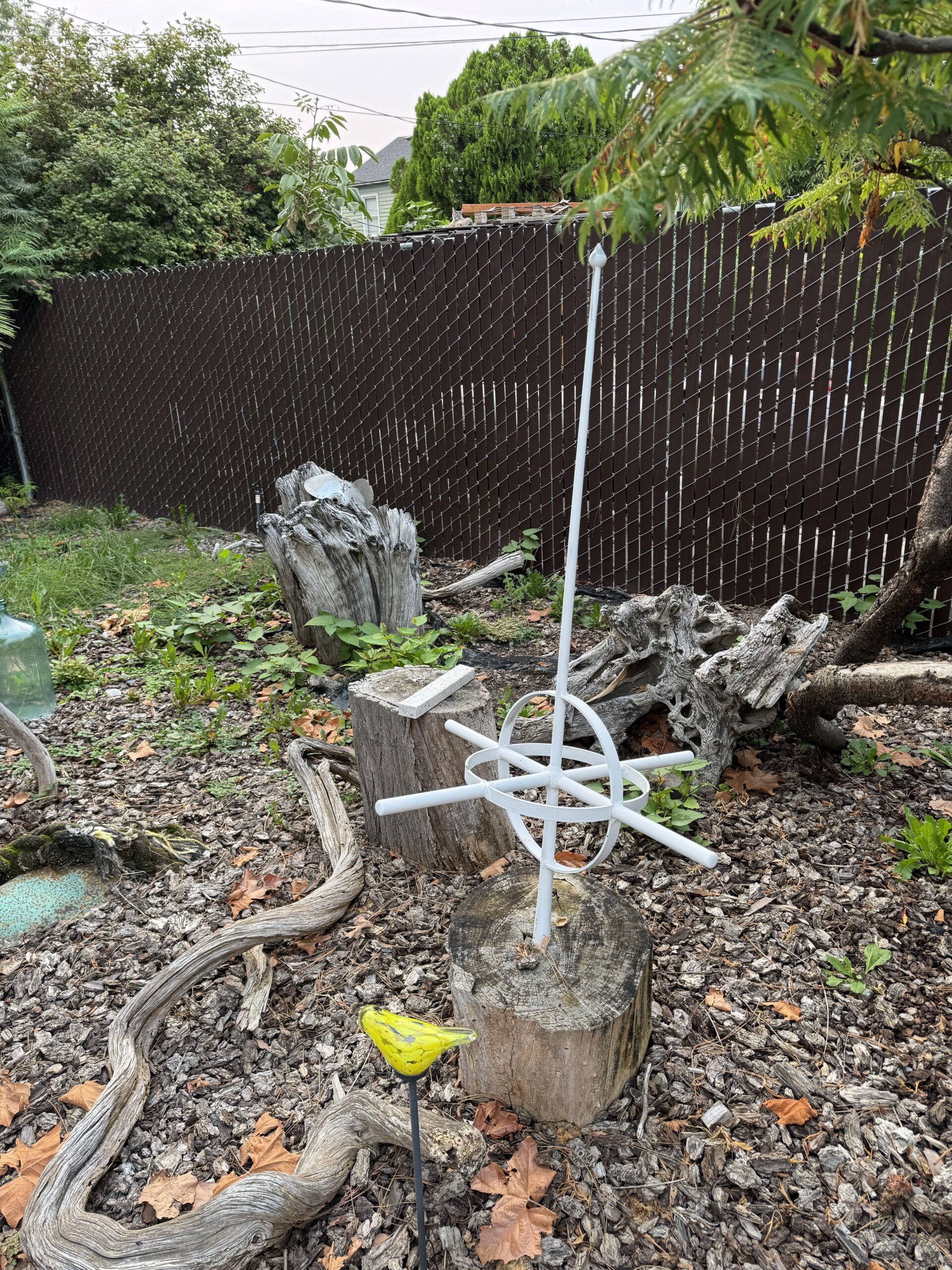
Old Jadwin Chapel steeple
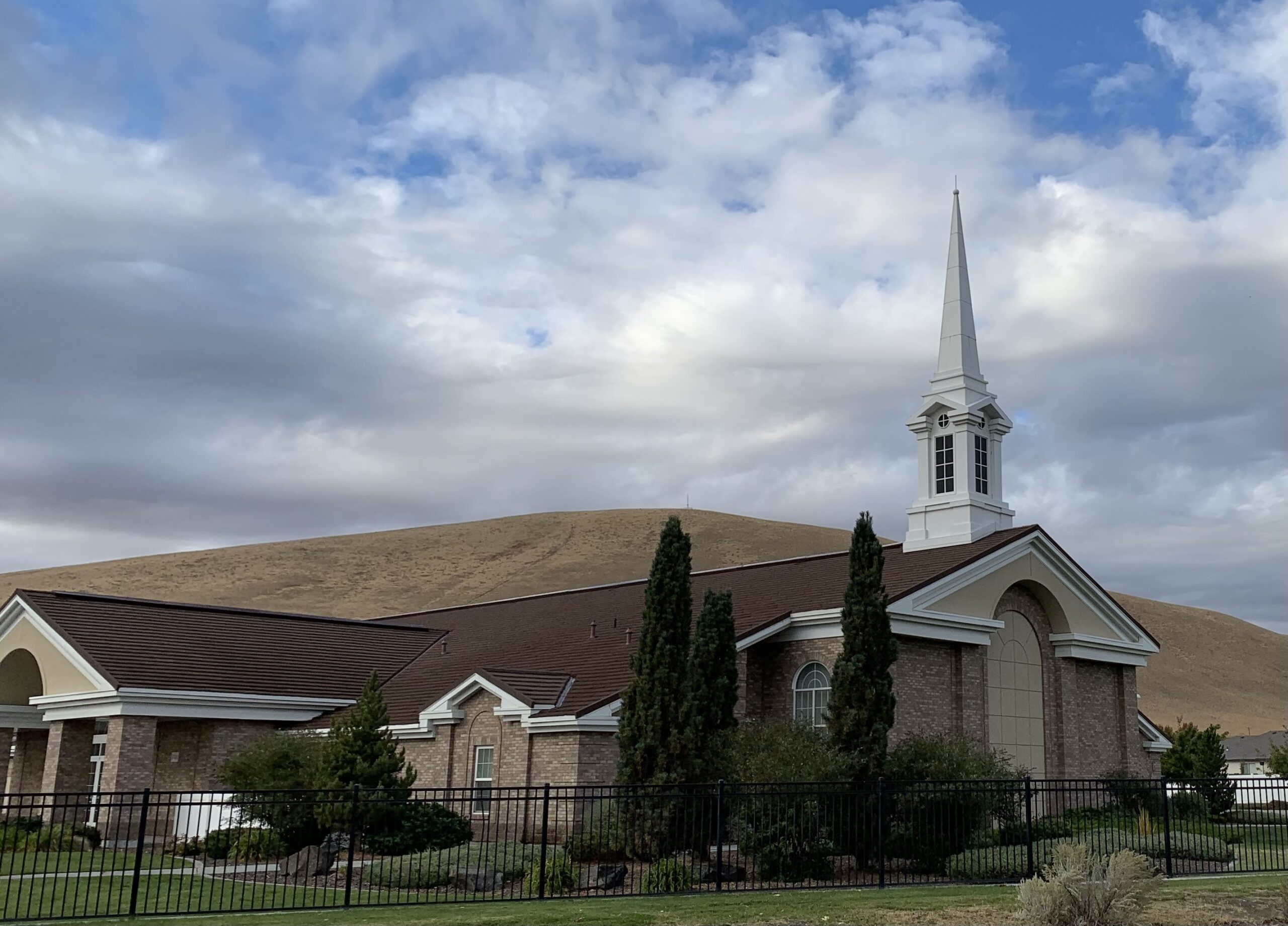
Keene LDS Chapel on Watkins Way
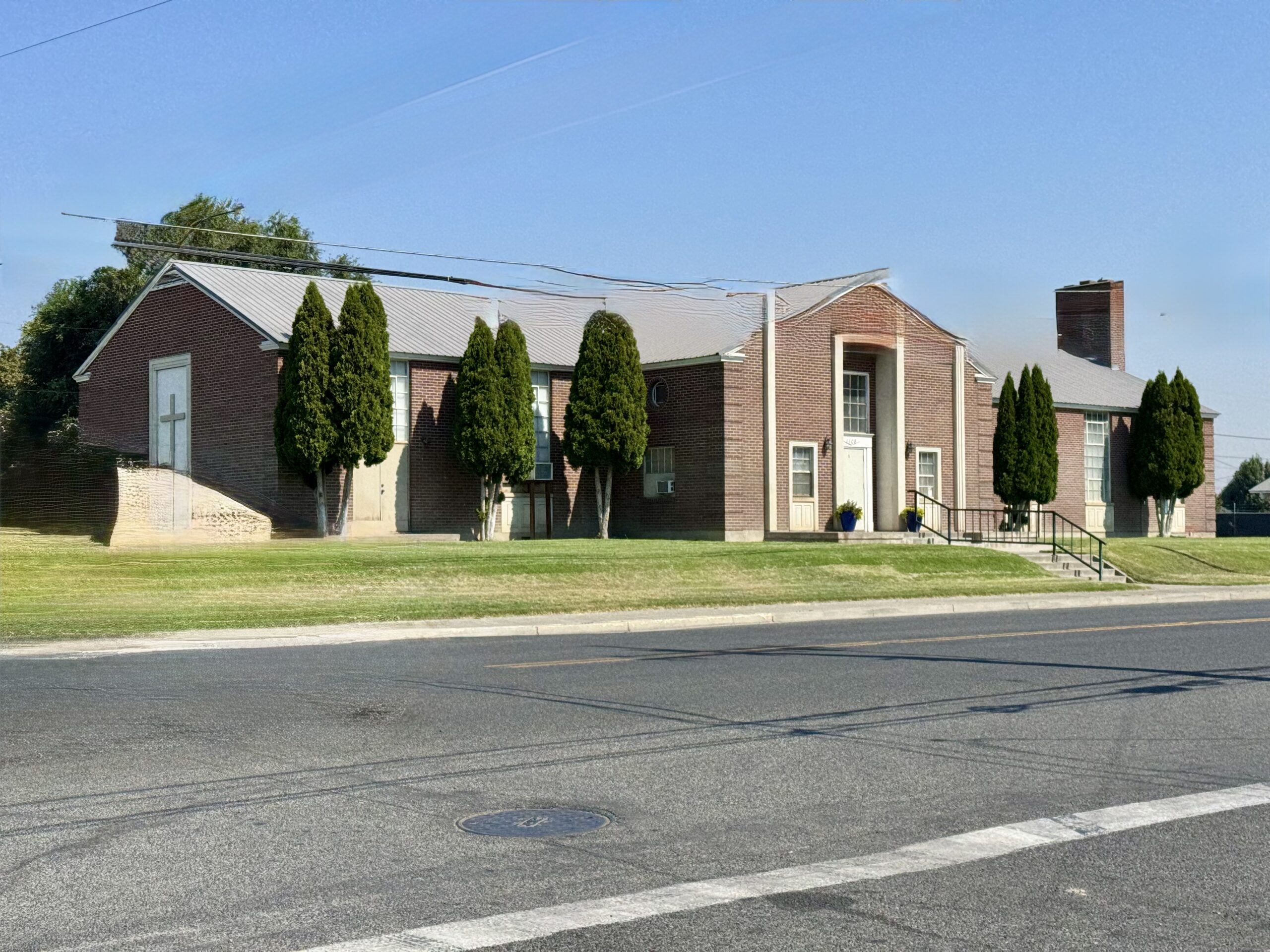
Old Sunnyside LDS Chapel
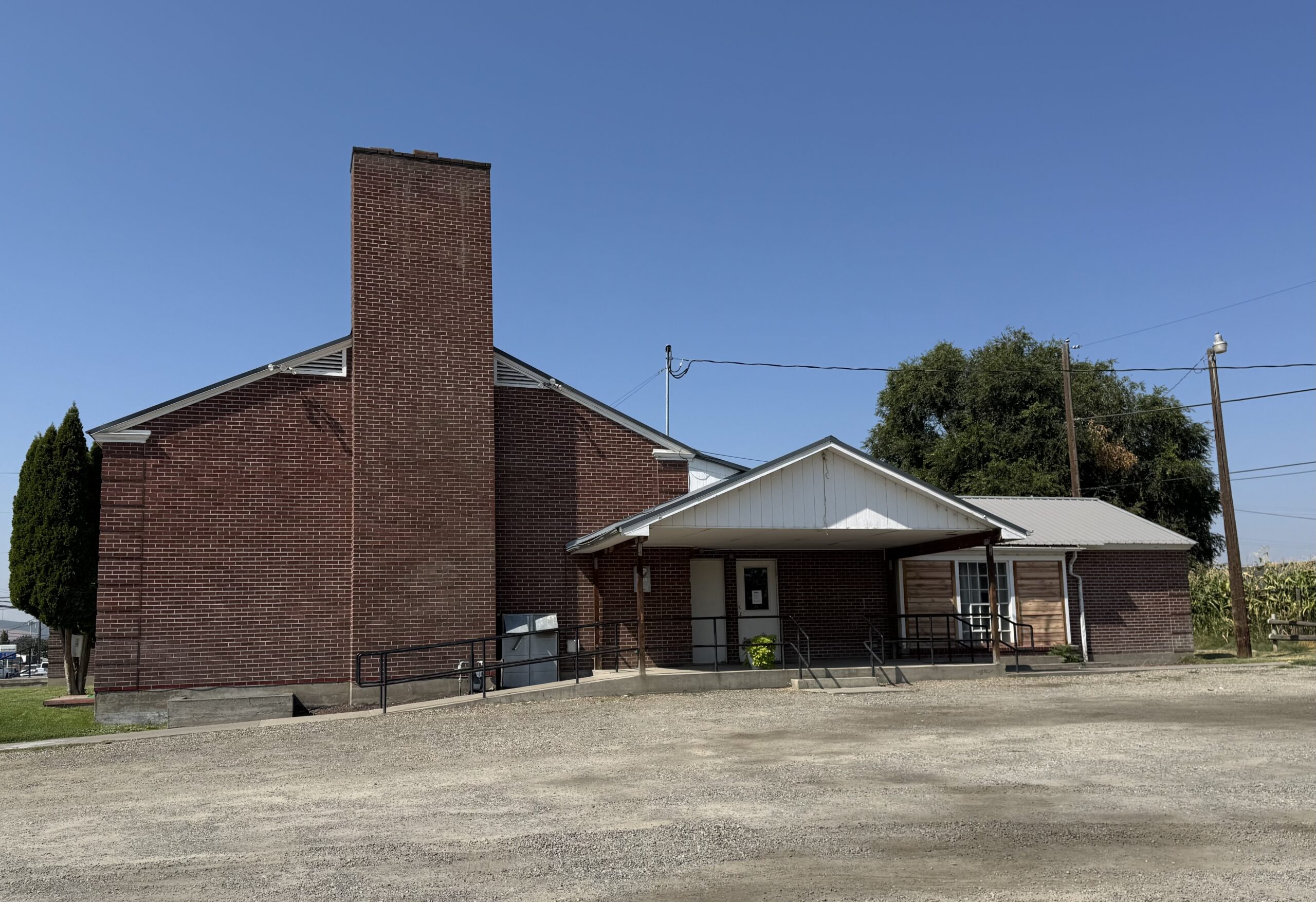
Old Sunnyside LDS Chapel
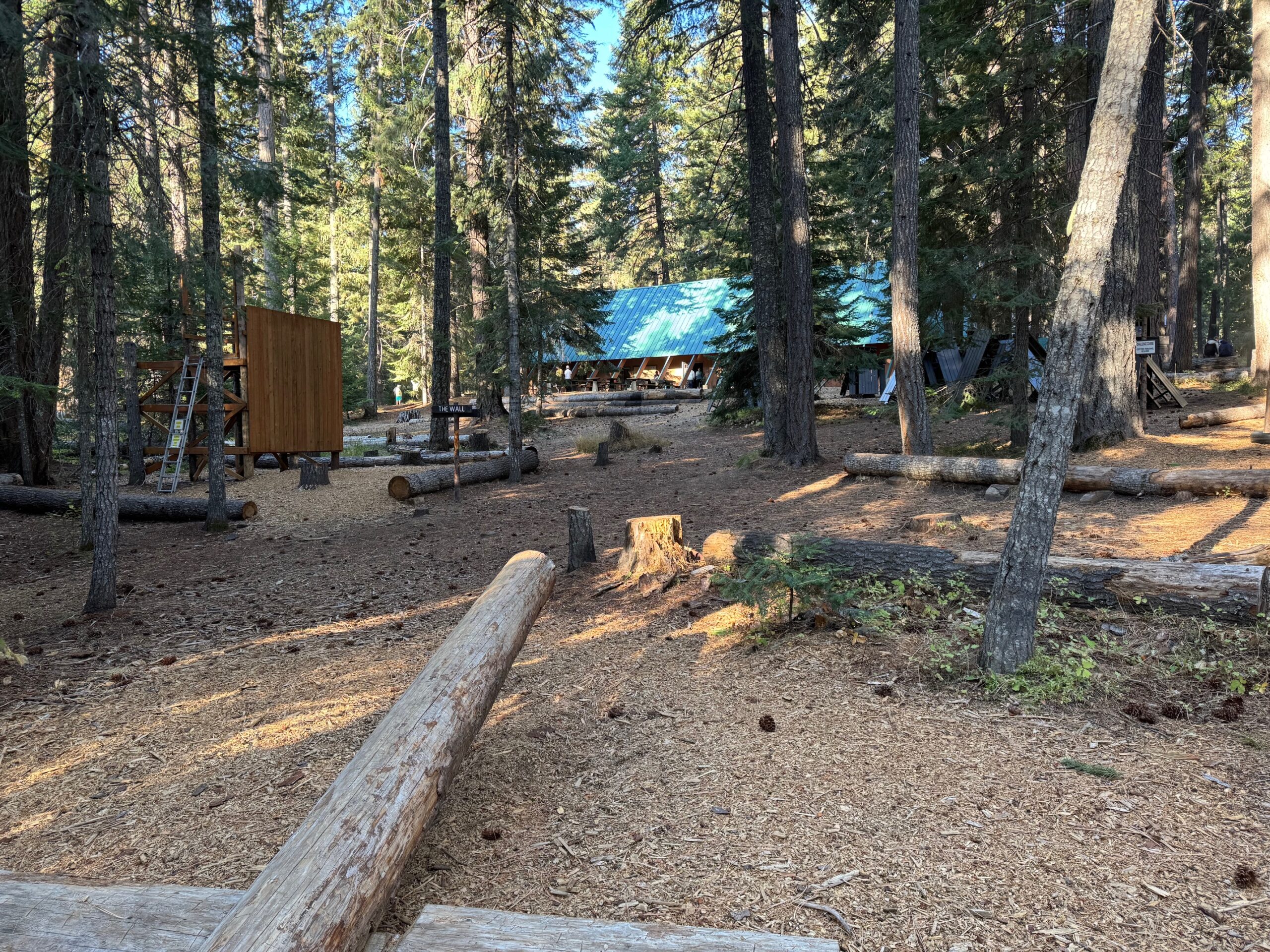
Camp Zarahemla Lodge
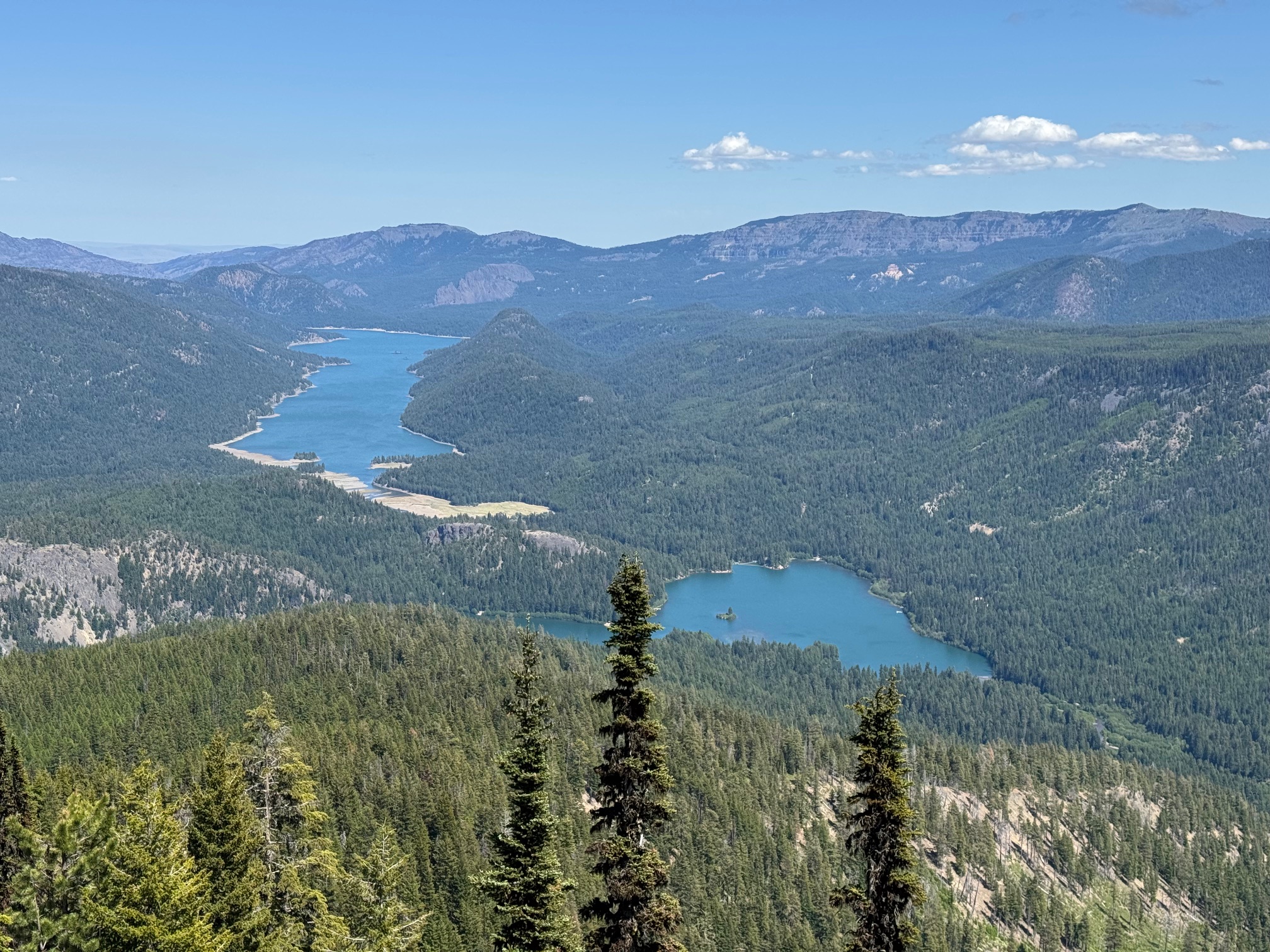
Clear Lake and Rimrock Lake from Round Mountain
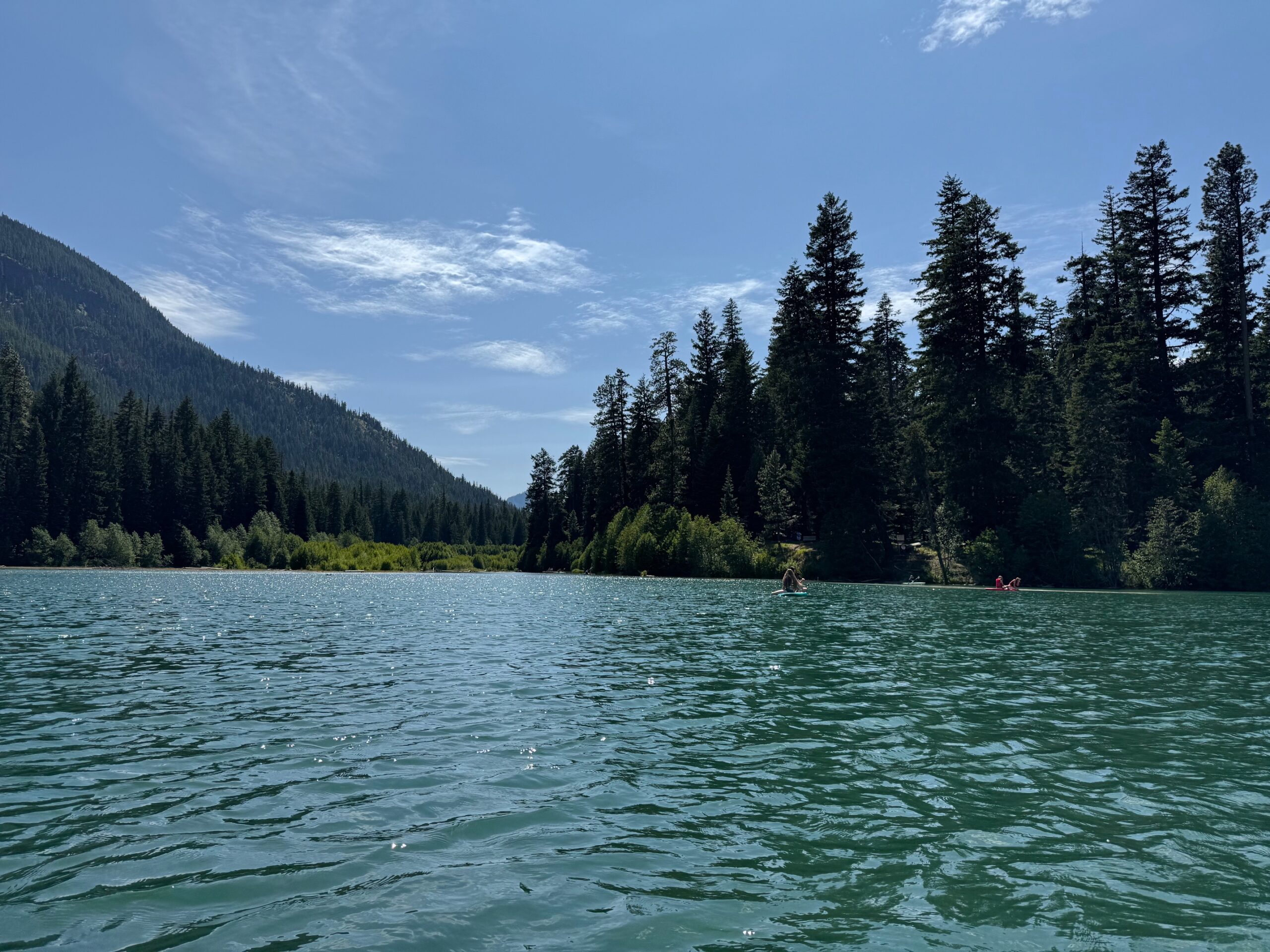
Camp Z Clear Lake
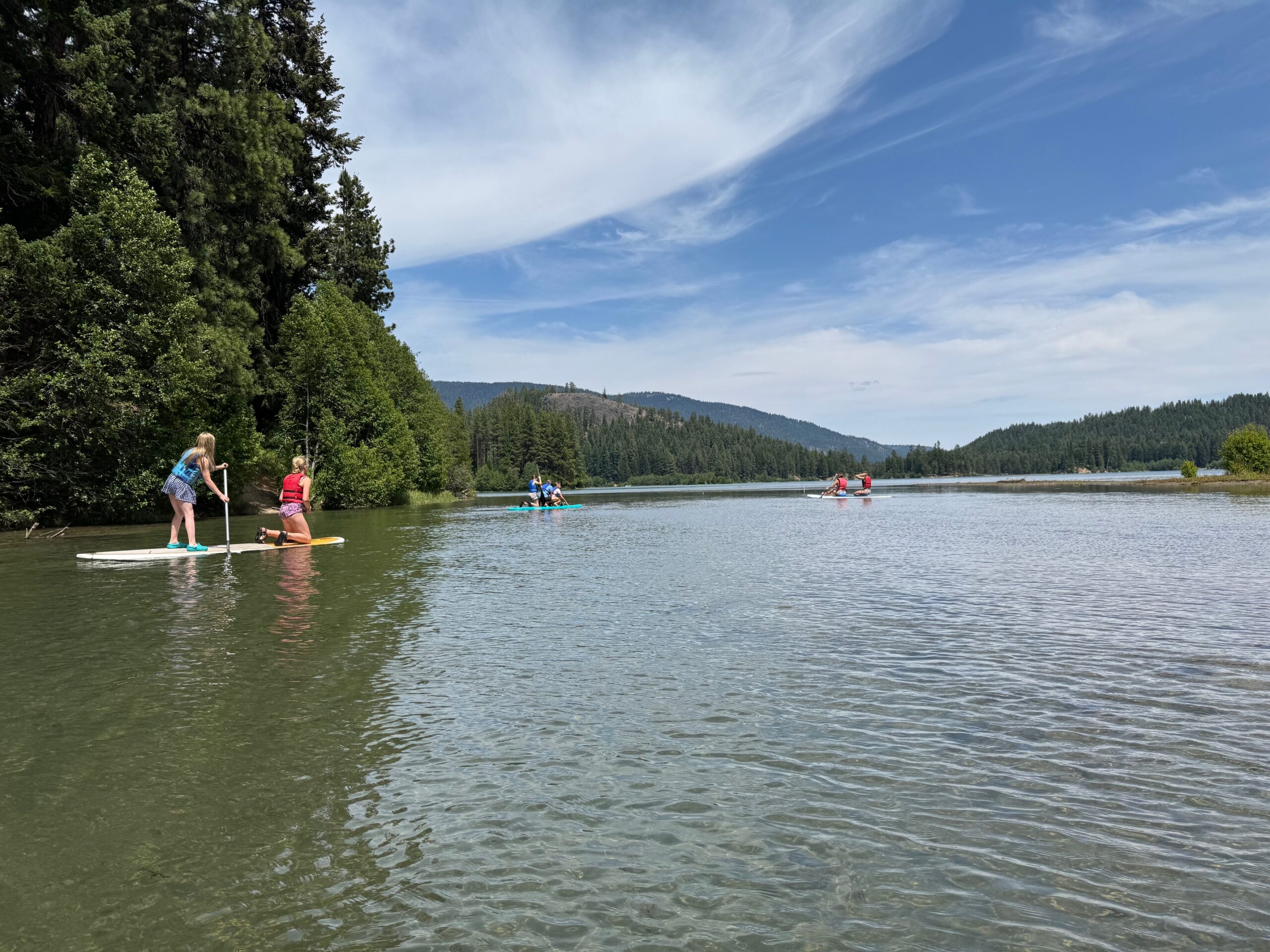
Camp Z Clear Lake Paddleboards
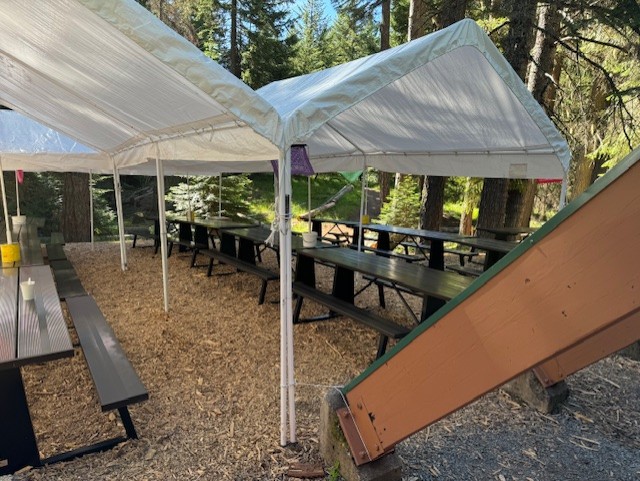
Outdoor eating area at Camp Zarahemla
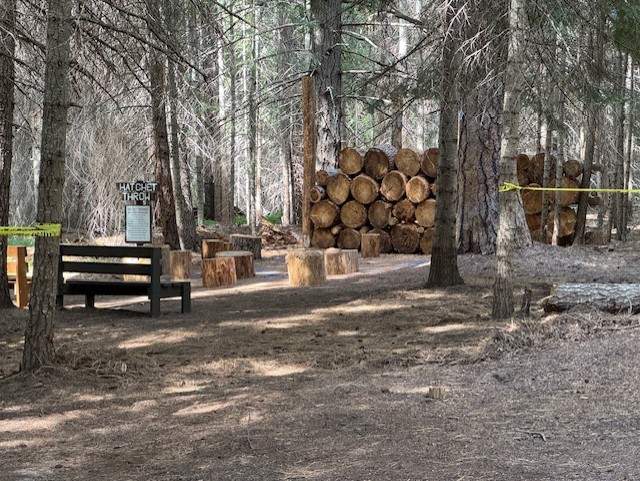
Hatchet throw area at Camp Zarahemla
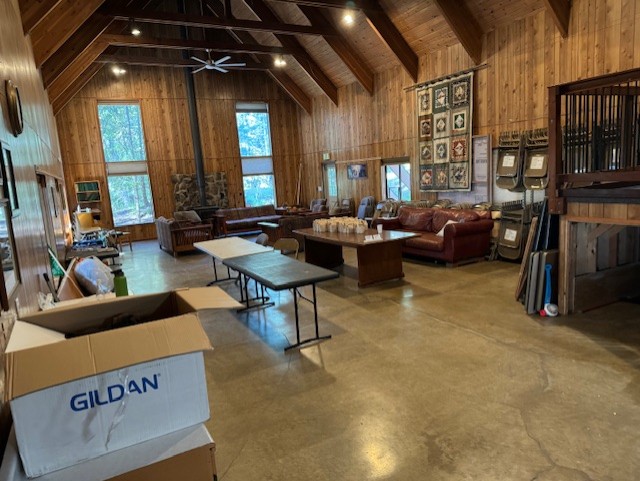
Inside the lodge at Camp Zarahemla
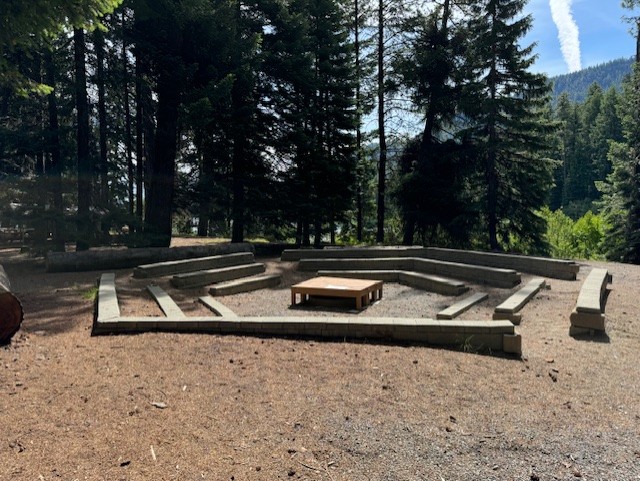
Fire pit near the lake at Camp Zarahemla
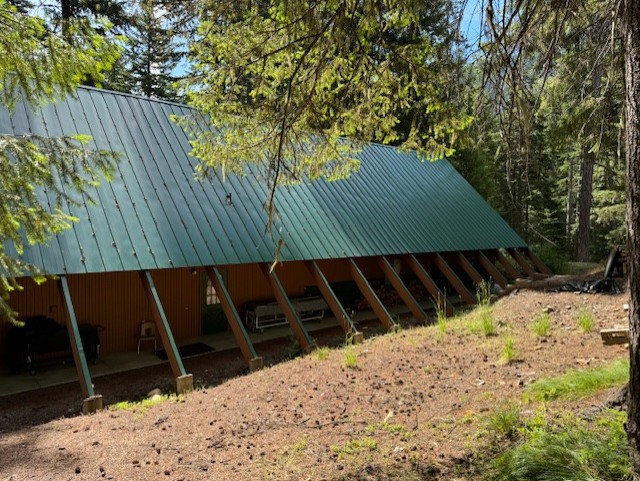
North side of lodge at Camp Zarahemla
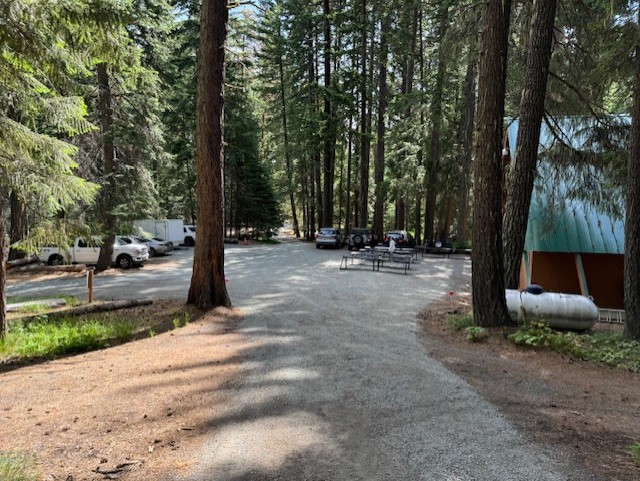
East end of lodge, parking area at Camp Zarahemla
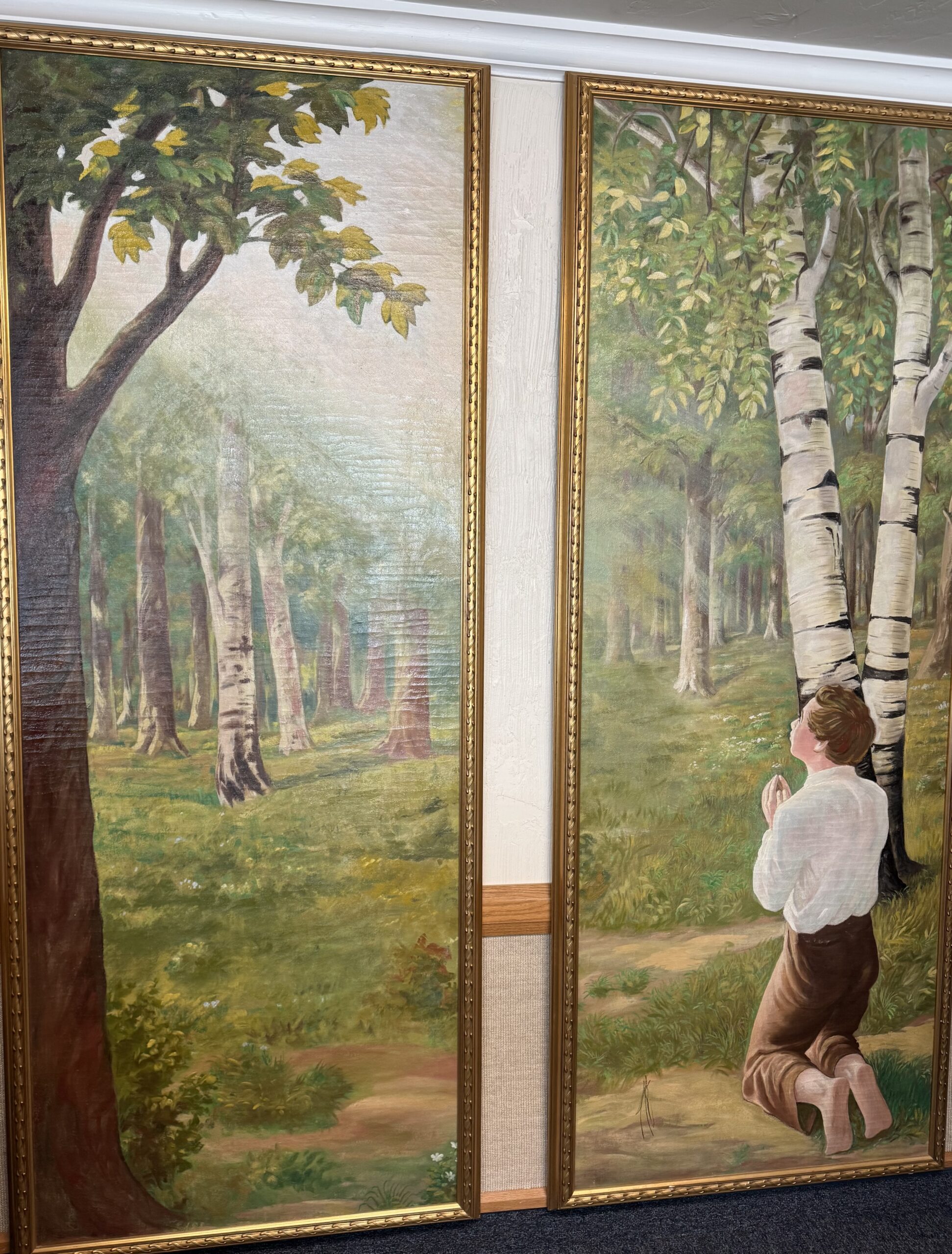
Joseph Smith First Vision Mural at the Jadwin Chapel
Kennewick a Gathering of Saints Book
Tempered By Faith Book
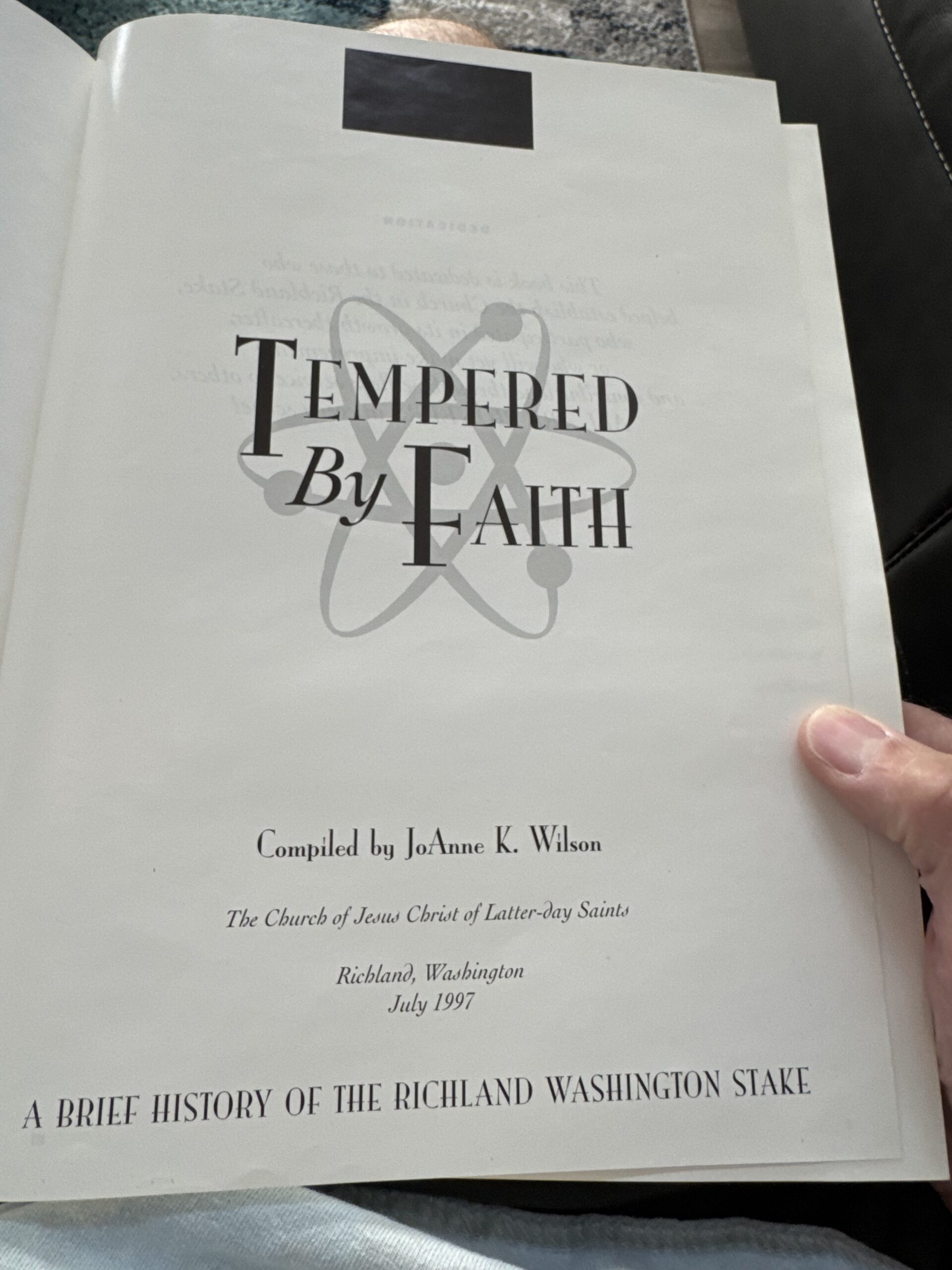
Tempered By Faith Title Page
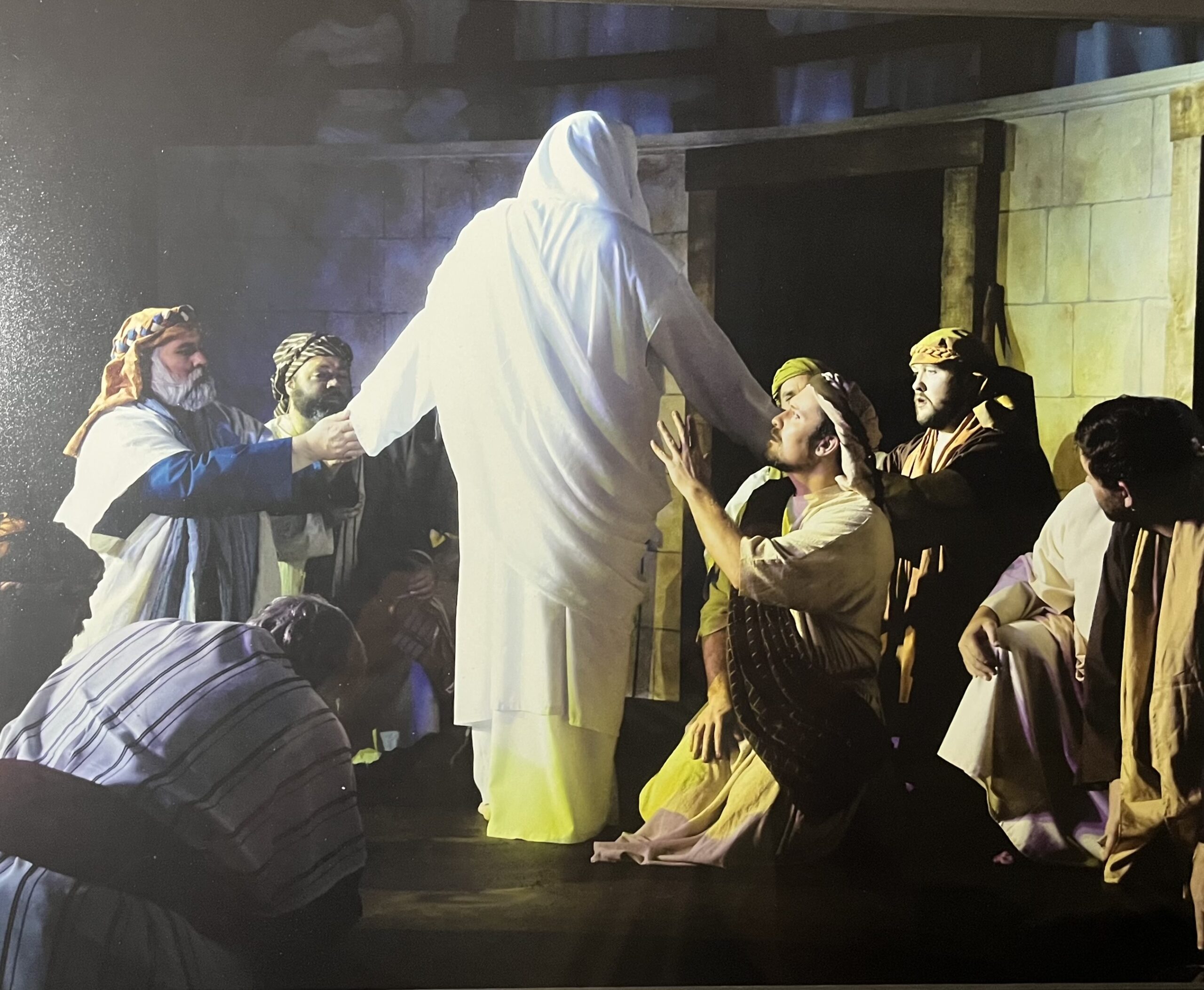
From The Savior of the World Production 2011
History of the Church in the Tri-Cities
The Tapteal Ward was formed June 22, 2025 but, there was a lot of history before that, leading up to this new ward in the West Richland Stake.
I started digging in and gathered lots of information. One key resource was the book Tempered by Faith, compiled by Joanne K. Wilson, Another book was Kennewick Saints, there was also a small booklet which had dates. These books are at a link in the show notes along with pictures of the Joseph Smith mural and many of the historic buildings mentioned in this episode. I had to talk to several people to gather some other information. I also searched binders of church records at the stake clerk’s office. Thank you to everyone who contributed. (Inspired, guided). I tried to be as accurate as possible but, I know there are likely errors in the exact dates or details. If you know of a specific error, please let me know and I’ll provide updates in the link you can find in the podcast notes.
In the northwest, Seattle stake was created in 1938.
The first stake on the east side of the state was the Spokane Stake in 1947.
1905 City of Richland was created
1907 the town of White Bluffs was created
1908 the Town of Hanford was created
1930 first branch in our area based in Yakima
December 1937 the Yakima-Wenatchee District was created which included members in the Tri-Cities area and stretched from Wenatchee to the Dalles.
Around 1939 about 20 families from Cache Valley in northern Utah moved to White Bluffs and Hanford with the reports of mild weather and good growing conditions with the start of some basic irrigation. They worked to grow orchards of cherries, apples, peaches, and more. There are stories of Elmer Hendricks loading up his flatbed truck and providing transport to our area from Utah. (Expound people I knew growing up in Sunnyside, Elmer, Jay Vale Miles)
White Bluffs branch formed in the early 1940s, John Hyer was the first branch president, Elmer Hendricks was a counselor, the branch rented the grange hall for meetings and members had to clean out the week’s “word of wisdom” problem debris before sabbath meetings.
The White Bluff Saints made the most out of their situation in the stark landscape, they held social events like dances, plays and concerts, frequently folks would come from surrounding areas, even crossing the river from Ringold on the ferry.
Elder Jimmy Pope was an early missionary in White Bluffs, he played a guitar and sang, entertaining the local residents, he also went on the local radio station in Kennewick and played popular songs which he modified to include a gospel message.
Also in White Bluffs, residents were exposed to local Indians. Chief John Buck and his Priest Rapids tribe camped along the big bend of the river near White Bluffs, they would fish and hunt and dry their meats in the area.
In the book Kennewick, A Gathering of Saints is a story from one of the White Bluffs branch members, Dorothy Rawlins:
Denise recording.
Populations fluctuated in these early towns but around 1940 these were the numbers:
Richland 765
White Bluffs 501
Hanford 463
Around 1943 there came what was called a “Declaration of Taking”.
May 31, 1943 everyone was ordered to vacate settlements on the Hanford site including White Bluffs, Hanford, Allard, Cold Creek, Julia, Riverton, Haven, Rivernita, Wahluke, Watoma, Vernita and Fruitvale.
Orchards, Vineyards, homes and schools were abandoned. (Hanford tour).
The White Bluffs branch was disbanded and these saints moved to local towns, some returned to Utah.
A few of them moved to Sunnyside, where I grew up. I knew people like Elmer Hendricks, Gordon Olson, Jay Vale Miles, and J. Carroll Bagley. J. Carroll Bagley tells the story of a defining moment in his life on a church farm in Sunnyside. I asked one of his daughters, Shanna Schwartz to read J. Carroll Bagley’s words from the book Tempered By Faith:
Shanna
You heard the name Lynnette mentioned in the story, another one of J. Carroll Bagley’s daughters. Lynnette Rodriguez still lives in Sunnyside and I asked her about her dad and the event.
Lynnette:
Back in the Tri-Cities,
A phenomena known as Atomic migration brought many workers and members of the church to help build the Hanford Works to support World War II efforts. The town of Richland was not listed on maps for secrecy of the Hanford reservation and their atomic mission.
There were difficult conditions, steamy heat spells 100 degrees plus and what were called “termination winds” of 50 mph+ with blowing sand penetrating every possible opening crack and crevice.
Men came to do manual labor, often leaving their families to come work at Hanford. If spouses did come, they lived in separate men and women barracks. Rada Lund was one of those women, she was a teacher in those early days and church pioneer. I knew Rada, she was in our Columbia ward as she turned 100 years old. She took great pride in being the ward chorister.
In about June 1943, construction of cookie cutter homes by the government created what were called “alphabet houses”. Our family lived in a B house on Jadwin Avenue which was built as a duplex that had been turned into a single family home.
Many members from Utah came from the Remington Arms Plant in SLC.
Richland branch formed in 1944 with 29 members. The first meeting was on Feb. 20, 1944 at Lewis and Clark School with James V. Thompson as branch president. President Thompson wrote a letter home to his wife Bessie: “I am convinced we can do much good here in the Church”.
The growth of the branch was brisk, they met at Columbia High School. There was talk of building a church for this “dynamic” Richland congregation. In 1944, SS, YMMIA, RS, YWMIA were organized. Membership was over 300 by the end of 1944. 600 by the end of 1945 and over a thousand in the late 40s.
There was an immense challenge with this rapid growth. J. Carroll Bagley lived in Sunnyside, he was the Yakima District president.
In the Yakima District,
Rada Lund served as the YWMIA president for our Yakima district.
Church members were very involved in their community. They built floats for parades and received favorable news coverage. The MIA sponsored Gold & Green Balls to honor young men and young women achievements.
Space for this large congregation of the Richland Branch was so difficult to come by that in Dec. 1947, it was announced that the Jadwin Chapel would be built.
Ground breaking was in Feb, 1949. This wasn’t the first building in the Tri-Cities.
In 1948, the Pasco-Kennewick branch started construction on a small building in Pasco at 10th and Yakima. There are pictures of the Pasco and Jadwin buildings at a link in the show notes.
The large Jadwin chapel was a unique private structure in a town of government buildings and houses. Nearly 24,000 hours of labor were donated, even non-members pitched in, some of them eventually joined the Church.
Ernal Galbraith and Glen Moss were working on the stand in the chapel and they joked about a trap door for “dry speakers”. Frank Lohdefinck was heard often singing Ave Maria loudly on the construction site.
The Richland Stake was created in June of 1950 presided over by Elder Stephen L. Richards and Harold B. Lee.
James V. Thompson was the first stake president with J. Carroll Bagley and Woodrow Bernett as counselors.
The new stake included units in Richland, Pasco-Kennewick, Sunnyside, Toppenish, Yakima, Hermiston, Heppner, and Walla Walla with about 3300 members.
Organization moved on with Elders quorums and ward teaching.
The first girl’s camp was in July, 1950 at Camp Heyburn at Lake Chatcolet in Idaho. The bus transporting the campers had a flat tire on the way there and on the way home but it was a successful camp.
Also in August, 1950 was a father and son’s camp at Lewis and Clark State Park near Walla Walla.
An MIA road show was put on in October of 1950.
Back at the Jadwin Chapel, construction moved on. Jane Lohdefinck came to Richland to marry a local, Dick Lohdefinck, she met Dick in Boston while he was in the Navy. Jane’s father in law Frank was one of the key laborers on the chapel:
Ave Maria story:
Construction of the Jadwin Chapel wrapped up, it was dedicated in 1951 by Elder Joseph F. Merrill of the quorum of the 12.
Delmar Yearsley’s family moved to Richland in the early 50s, he remembers the Jadwin Chapel fondly:
Delmar
Jane Lohdefinck also has a connection to the Jadwin chapel:
Jane
Both Delmar Yearsley and Jane Lohdefinck still attend the Columbia Ward in the Jadwin Chapel to this day. Jane even has the old steeple from the church in her back yard which was removed when it was remodeled.
The chapel was unique, in addition to the Joseph Smith mural, the podium was offset on the right side of the rostrum, it was that way when our family moved to Richland and first started attending the Jadwin Chapel in the late 90s’
There were quarterly stake conferences with general authorities like Marion G. Romney, Bruce R. McConkie, Mark E. Peterson and more with topics including free agency, searching the scriptures, and following the living prophets.
The Prosser branch was formed in 1954 as part of the Sunnyside Ward. The branch met in a local funeral home then the Frank Steven’s place at 901 Prosser Avenue then a duplex on Dudley Avenue. The Prosser branch was then made an independent branch with Clifford Armstrong as branch president. The branch went on to meet at the Morse Lumber Yard, when it burned down, the branch met at various churches like the Seventh-Day Adventists, the Legion basement, the Methodist Church, and the Presbyterian Church then back to the funeral home and the old Sandvig house.
Benton City went through a similar story, starting as a dependent branch in the early 50s, meeting in a theater and in various homes. The branch obtained an old Hanford building at the corner of OIE and 9th, it is now a private residence, next to where the old Wolfie’s Drive in was, there’s a link to a picture of the building in the podcast notes.
Church farms popped up growing asparagus, sugar beets, corn, tomatoes and more.
The Richland stake grew to almost 5000 members then, in 1959, the Yakima stake was formed.
One interesting story in the news was about an 8 day food test, challenging people to live off their home storage for 8 days and covered in the Columbia Basin News.
Basketball sounds?
The Richland First Ward had a hot shot junior basketball team that went to the all church tournament in Salt Lake City and won the championship in 1960.
In the 1960s, Hanford drove the Tri-Cities thriving economy. But the production of weapons grade Plutonium slowed with the shutdown of 8 nuclear reactors and transition to commercial nuclear power reactors and cleanup.
In the 1960s, the Richland 2nd ward hosted a relief society birthday dinner. Harold Petty was in charge of getting turkeys. The day of the event he realized he had frozen turkeys, the sisters were beside themselves as there was no time to thaw them out in time for the dinner. The Jadwin Chapel had a baptismal font, Harold had a brilliant idea and filled the font with hot water and had those turkeys thawed out in time for dinner. The font is long gone now, replaced with some office space. Baptisms were first held in that font on April 18, 1950, 34 children and adults were baptized that day. Both Jane Lohdefinck and Delmar Yearsley, who we heard from earlier were baptized in that font.
3 large wards in Richland outgrew the Jadwin Building.
The Thayer stake center was completed in November, 1963. Gordon B. Hinckley dedicated the 25,500 square foot building in December of 1965.
There were 38,000 donated labor hours. There was a mishap during construction when the massive cement and wood roof over the cultural hall collapsed. 140 tons of material came crashing down. Don and Delmar Gale and Bishop Kent Harmon of the Richland 1st Ward were working on top of the beams, they came crashing down 18 feet in the mishap. Miraculously, there were only minor injuries. There was a 2 month delay in construction.
Lance Merkley’s uncle Lamoin Merkley was on the ground when the accident happened. Lamoin was hit by falling debris.
(Clip from Lance Merkley)
Families bought land and built homes around the new stake center, some familiar names with current connections are Belliston, Palmer, and Wheelright.
The 4th ward was created with Bishop Kent Harmon and counselors Garth Tingey and Carl Volmer.
As time went on, chapels were built in Heppner, Hermiston, Benton City, Prosser. There’s a link in the show notes to pictures of the Benton City, Sunnyside, Prosser and other buildings.
The Prosser chapel was dedicated on October 19, 1975. The Prosser Ward had just been organized earlier in the year with Mark Martin as the first bishop.
In the mid-1970s, 4 acres of peach orchard was purchased which became the Benton City building property, the Benton City chapel, Phase 1 was completed in 1974. The first bishop of the Benton City Ward was Doug Owens.
The Richland stake was further split in October, 1976. Stake members now were from Richland, West Richland, Benton City and Prosser. James V. Thompson was released after 20 years as stake president. Kent Harmon was called as the new stake president. Where there was one stake in 1950, there were 7 stakes in 1980 with a total of 20,000 members, 50 wards, 7 branches and 29 buildings. The Richland Stake had 7 wards.
I was fortunate to attend the groundbreaking for the Seattle temple on May 27, 1978, I remember my mom pushing me forward so I could shake hands with Spencer W. Kimball, they were so warm and soft.
In 1978, the church invested in a recreational property previously run by the Lutheran church on Clear Lake. Clear Lake was formed by a dam starting in 1914 for irrigation in the Yakima Valley.
The property was improved by the church and was named Camp Zarahemla. Cub scouts started using the 12-acre property in 1978. The first girls camp was in 1979. Construction on the lodge started in September of 1978 and completed in 1981. Camp Zarahemla has served as a peaceful retreat for many area families and host to YM and YW camps for many years and still continues today. There are a few pictures in the link in the show notes.
On November 17, 1980 we attended the Seattle temple dedication. Now, it was a much shorter temple trip rather than Cardston, Alberta Canada or Idaho Falls. Many stake members enjoyed bus trips to the Seattle temple serving as temple workers.
John Morrey replaced President Harmon as stake president in 1980. President Morrey stressed studying the Book of Mormon, temple worship and home and visiting teaching.
The Jadwin Chapel closed for two years from 1978 to 1980 for renovation.
In 1982, Clark Beus (our current stake patriarch) was made bishop of the Benton City Ward, then, Benton City split into 2 wards around 1983. Later in the 80s, Hanford slowdown diminished numbers and Benton City went back to 1 ward.
Around this time, the practice of numbered ward names changed to names related to their geographic area. The ward in the West Richland area was 7th Ward which started in July, 1978 with Terry Helm as bishop, one of the early counselors was Brent Pulsipher, the ward name was changed to Desert Hills Ward. Brent Pulsipher and his wife Janet still live in the Desert Hills Ward.
The Richland High School seminary building was built around 1980.
The bishops storehouse in Kennewick was also built in the early ‘80s.
The 80s featured road shows and dance festivals names like Maxine Odd were listed among organizers. In 1983, the stake built a float for the Water Follies parade entitled Zion and featured a large model of the Seattle Temple.
Growth continued in West Richland and the Paradise building was built and dedicated in June of 1985.
As a young woman, Amber Puzey watched the building as it was constructed. She was at the first Sunday in the Paradise chapel, she is in the new Tapteal Ward which meets in the Paradise Chapel.
(Amber Puzey clip).
There was a stake welfare farm on Jones Road which grew tomatoes for years it was sold in 1988. The last year they switched to corn and threw a huge corn feed for the whole stake.
In 1989, Larry Anderson was installed as the new stake president by James E. Faust. Counselors over time included Dennis Wilson, Robert Lichfield, and Gerald Sorenson.
In the 1990s regional conferences were held in the Tri-Cities with visiting general authorities like Gordon B. Hinckley, L. Tom Perry, Neal A. Maxwell, and others.
In 1995, Carl Volmer was named as the stake patriarch.
In the mid 90’s West Richland growth continued and the Highlands Ward was created with Bishop David Reber.
Brent Pulsipher became bishop of the Desert Hills Ward.
In 1994 there was a celebration of the 50th anniversary of the Richland Branch with a big Gold and Green Ball.
Feb. 1996 a 100 year flood hit Richland and West Richland. Low lying areas in Richland and West Richland were flooded. President Larry Anderson coordinated the large cleanup work force.
Also in 1996, Benton City was divided into 1st ward with Clark Beus again named as bishop, 2nd ward bishop was Norm Willis.
Missionary work was important in our area. According to the book, Tempered by Faith, there were over 2500 baptisms in the stake between 1950 and 1996, the peak was 214 baptisms in 1964.
Around 1999, Here in West Richland, the Lakes Ward was created, it split from Highlands Ward: David Egbert, Jon Crawford, Gordon Graff (1999,2000.)
I’m sure you may remember when Columbia River Temple announced April 2, 2000.
(Gordon B. Hinckley announcement recording)
My wife and our kids were sitting in the Thayer chapel for this announcement, there was an audible gasp and tears of joy.
Members visited the temple frequently during construction, gathering pieces of scrap granite from a bin as mementos, we still have some today.
Dedicated Nov. 18, 2001 by our prophet, Gordon B. Hinckley
16,880 square feet on 2.88 acres.
West Richland wards continued to grow.
Candy Mountain Ward, split from Lakes Ward, April, 2006 Bruce Robertson was the bishop.
In 2008, the 2nd chapel in West Richland was finished on the corner of Keene Road and Watkins Way.
The Richland Stake put on a gigantic production in 2011 at the Thayer building. The stage was modified and expanded out onto the cultural hall floor. The Savior of the World production was first put on in Utah as part of the Olympic Games, then, it was released for local production. Diane and Dan Jacks headed up the effort that was more than a year in the making. It featured a cast of 193 and with the orchestra, dancers, stage and other staff about 300 stake members contributed with long hours of construction and rehearsals. The production played to packed houses. With 11 performances, an estimated 5000 people attended the two and a half hour production. The Jacks recall a special time with divine intervention around every turn. The faith promoting production built testimonies and converts with many church leaders emerging from those who participated and attended. The event was described by participants as one of the greatest productions they’ve been involved in. A famous photo from the production is in the podcast show notes.
Rattlesnake Mountain Ward was formed in 2012 with Gary Potter as the bishop, a short time after the Rattlesnake Mountain Ward was formed, the West Richland Stake was formed, splitting off from the Richland Stake which had grown to over 6300 members.
The West Richland Stake was formed November 4, 2012. Brent Pulsipher as stake president, Clark Beus, Gael Nield as counselors.
Paradise Ward: September, 2013 was formed with members from Highlands ward and Candy Mountain ward. Current Tapteal ward member Jason Brooks was the first bishop.
In 2017, the West Richland stake presidency was changed. John A. Hunt was named the new stake president.
Sunrise Ridge Ward was created in September of 2018 with bishop Lyle Dye.
Growth in the West Richland stake continued and space was at a premium so, a new stake center was built and dedicated on April 25, 2019. It followed a smaller footprint size with the plan to hold stake conferences with stake members in different buildings and meetings broadcast to the other buildings. President John Hunt dedicated the new stake center. Here’s a poignant excerpt from the dedicatory prayer: “We dedicate this meetinghouse as a special refuge of the world and the storms of life, that all who enter here will feel of Thy love for them as they turn to Thee, their Eternal Father in Heaven. Please answer the sincere prayers of those offered in this holy house seeking acceptance, forgiveness, understanding, and peace, according to thy will and timing. Please bless those who enter herein to worship Thee and Thy Son to be mindful of the afflicted around them who need a kind word or a warm hug or a listening ear, and to follow the example of their Savior in ministering to one another, for this truly is pure religion undefiled.”
Tapteal Ward June 22, 2025
Today, the West Richland Stake is listed at 3679 members.
It’s kind of unique that there are 5 chapels:
Prosser
Benton City
Keene building on Watkins Way
Holly Way Stake Center
Paradise building on